
Most organizations respond with tools or policy. But real change doesn’t start there.
It starts with people.
This work often begins with a spark through a keynote that shifts perspective and opens the conversation. From there, individuals begin building confidence through courses. Teams then come together through workshops, developing shared language, clarity, and direction. And that momentum expands into strategy, curriculum, and systems that sustain the work long-term.
This is how institutions move forward with clarity, not reaction.
Let’s build a path forward for your institution.
Human formation isn’t one service. It’s the backbone of everything.
This is not theoretical work. It is grounded in real institutional change.
Sarah Gibson works with colleges, universities, nonprofits, and organizations navigating the intersection of human formation, institutional change, and AI adoption.
She helps institutions not just adopt AI, but use it in ways that deepen mission, develop people, and strengthen what makes them distinct.
With 17 years in higher education, including leading AI strategy at the first independent university to move toward universal AI adoption, she brings both the theory and the lived experience of what it actually takes to move an institution forward.
Formation over information.
Systems over tools.
Ethics embedded in practice.
Trusted by universities, nonprofits, and mission-driven organizations, including:










Current work includes advisory partnerships with the Council of Independent Colleges and leadership in institution-wide AI adoption.
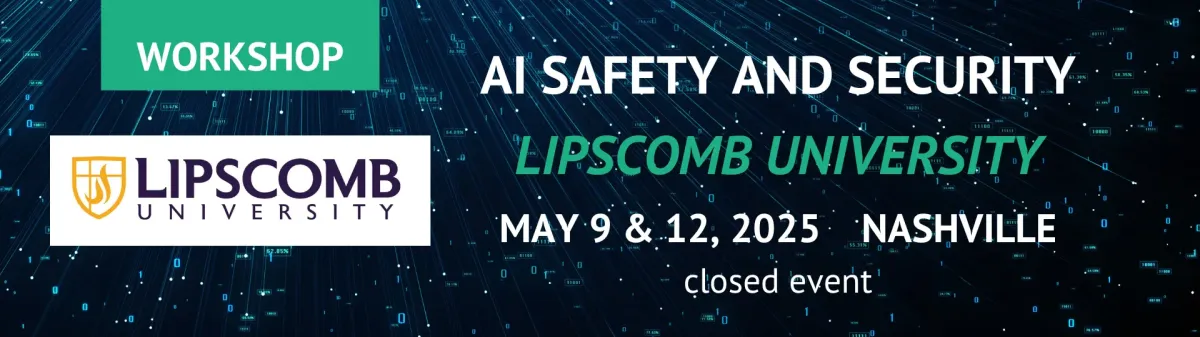
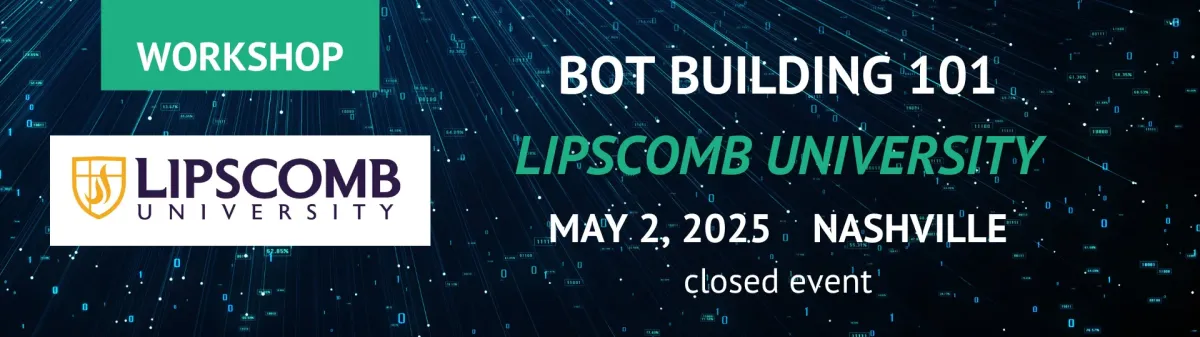
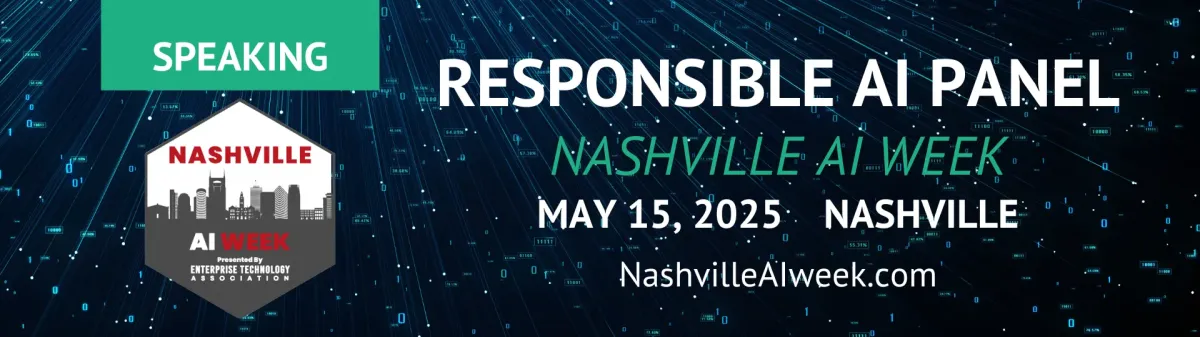
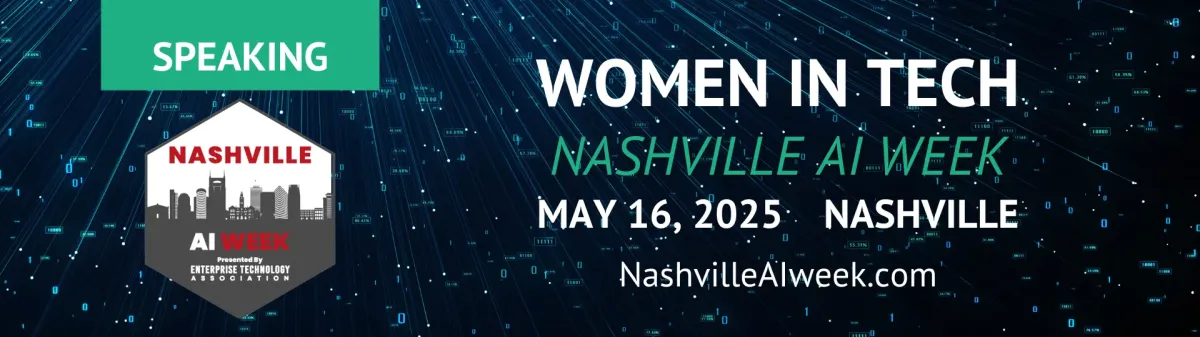
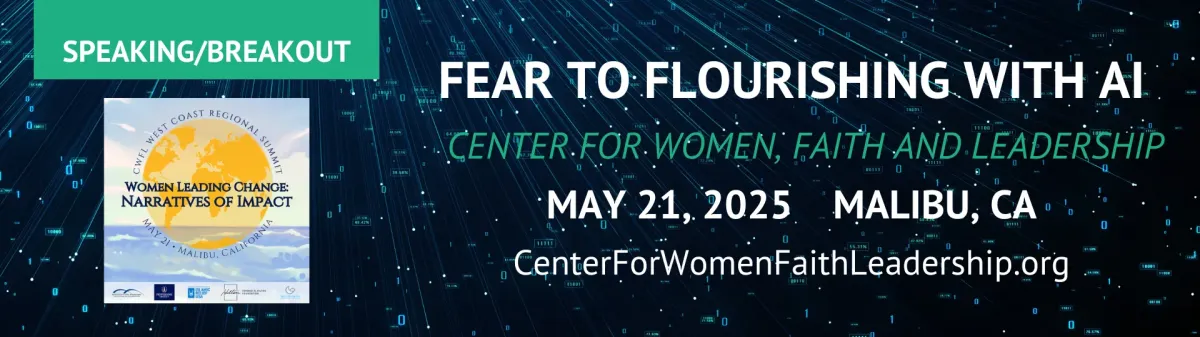
Institutions can flourish in an AI-native world.
Not by reacting to change but by leading it with strategy and purpose.
Where does your institution stand?
Most institutions are navigating one of three positions:
Strategy:
We need a clear AI strategy.
“We have siloed initiatives, but no cohesive roadmap.”
Build a clear AI strategy and positioning framework grounded in your mission, not borrowed from someone else’s model.
Implementation:
We have tools, but need implementation.
“Our community isn’t using AI effectively or consistently.”
Design curriculum and implementation structures that move AI from experimentation to everyday practice.
Adoption:
We need to define our approach and build capacity.
“We need energy, clarity, and forward momentum.”
Build capacity and momentum through workshops and keynotes designed for your context, not generic training.

Start where you are.
Choose the entry point that fits your institution.

Consulting
Create an AI strategy and positioning framework grounded in your mission, culture, and institutional goals, designed for your context, not borrowed from someone else’s.

Speaking
Inspired presentations that are grounded, honest, and designed to move audiences from uncertainty to confident action and leave a clear path forward.

Workshops
Equip faculty, staff, and leadership with the clarity, confidence, and practical skills to move from uncertainty to action through programs built for your specific context.

Courses
Build real AI confidence through structured, self-paced courses, including AI First Responders certification for educators ready to lead.
This is where your mission meets AI.
This is where clarity becomes strategy.
What does a human-centered AI approach mean?
Human-centered AI is not about slowing innovation.
It is about aligning technology with mission, governance, and long-term institutional integrity.
This is not a tool decision. It is a leadership decision.
When leadership, policy, and culture are aligned, AI strengthens judgment rather than replacing it.
It clarifies boundaries.
Builds faculty and workforce capacity.
Preserves the values that define an organization.
AI becomes not a disruption to manage—
but a force to direct with clarity and purpose.
Why does this matter?
AI will shape decision-making, policy, and value creation across every sector.
The question is not whether to adopt it.
It is whether it will be governed intentionally.
Human-centered AI ensures that innovation advances institutional responsibility rather than eroding it.
It builds sustainable capacity, not short-term experimentation.
It protects trust while accelerating progress.
This work is grounded in deep higher education expertise and leadership in institution-wide AI adoption.
Technology does not determine outcomes. Leadership does.
Your institution is ready for this.
The question is how you’ll move forward.
The next step is simple. Let’s begin.
Every engagement begins with a complimentary discovery conversation.

